Choosing Between a Guided Tour and Driving Yourself
A guided Road to Hana tour takes away one of the biggest challenges of the route: driving. You can look out at the scenery, listen to the guide, and actually enjoy the stops instead of constantly watching the road ahead.
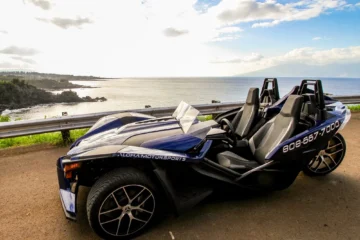
Driving yourself makes more sense if you want to move at your own pace or have particular stops you want to visit. The tradeoff is that you need to stay focused on the road, and traffic can make the journey slower than expected.
I would also think about who is traveling with you. For a first visit, a guided tour can be much less stressful if nobody in the group wants to take responsibility for the drive.
Waterfalls Are Part of the Fun, But Conditions Matter
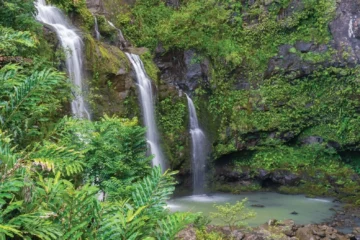
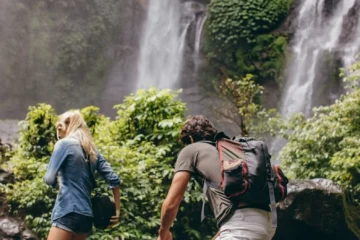
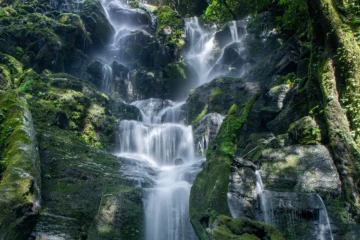
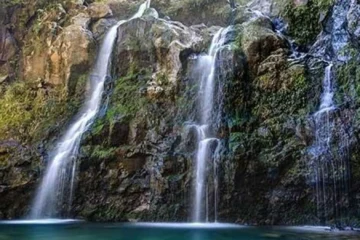
The rainforest along the Road to Hana means waterfalls and streams are a major part of the scenery. After periods of rain, some falls can become especially impressive.
That same rain can make trails muddy and slippery, though. I would not assume that every waterfall stop is suitable for swimming just because you see people in the water. Conditions can change quickly, and some areas may be closed or unsafe.
If swimming is important to you, check what your specific tour includes and follow any posted warnings or instructions from your guide.
What to Expect From the Drive
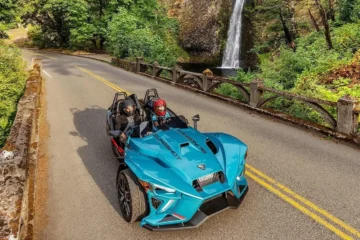
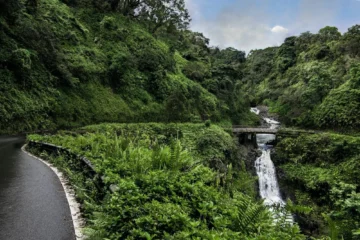
This is not a smooth highway where you can simply settle in for a quick road trip. The route is famous for its curves, narrow sections, and one-lane bridges.
If you are driving, be patient and let faster local traffic pass when it is safe. Avoid stopping in the middle of the road for photographs, especially near bridges or blind corners.
If you are prone to motion sickness, I would prepare for it. The constant curves can be uncomfortable even if you normally handle car rides well. A guided vehicle can also be useful because you can concentrate on the scenery instead of navigating every turn yourself.
What to Bring for a Full Day on the Road
I would pack water, snacks, reef safe sunscreen, comfortable walking shoes, swimwear if swimming is part of your plan, and a light rain layer. The weather can change considerably along the route.
Bring a towel and a change of clothes if you expect to visit waterfalls or swim. A waterproof phone case is also useful because you will probably encounter plenty of wet conditions.
Do not rely on finding everything you need along the way. Food options exist, but they are not the same as having a convenience store every few miles. Packing the basics before leaving makes the day easier.
How Long Should You Spend on the Road to Hana?
A full day is the safest way to approach the experience if you want to make several stops. Trying to rush the route just to say you reached Hana can mean spending most of the day in the car without actually enjoying the places along the way.
If your itinerary is tight, choose a tour that focuses on the stops you care about most rather than trying to fit the entire route into a few hours.
I would also avoid planning another major activity immediately afterward. The Road to Hana is a long day, and the return journey can take longer than expected depending on traffic, weather, and how many stops you make.
Picking Your Road to Hana Tour
If you do not want to deal with the winding roads, a guided tour is probably the easiest choice. Look for one with enough time at the stops you actually care about rather than simply choosing the longest itinerary.
If you prefer independence, driving yourself gives you control over the schedule, but make sure you are prepared for the road conditions and have enough time to complete the journey without rushing.
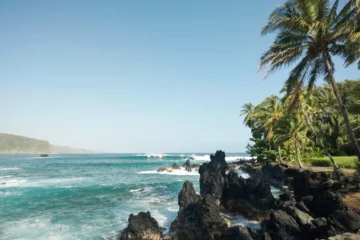
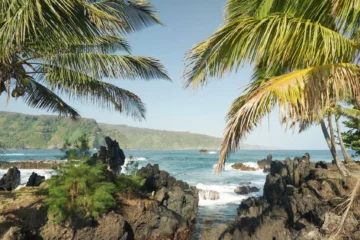
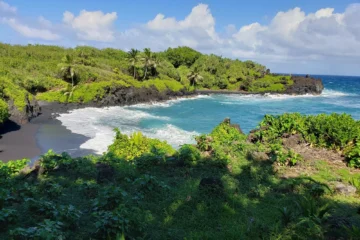
Either way, I would treat the Road to Hana as a day of exploring rather than a race to reach Hana town. The rainforest, waterfalls, bridges, coastline, and small stops along the way are what make this Maui experience worth doing.