Snorkeling in Hawaii: What Each Island Actually Offers

The first thing worth knowing about snorkeling in Hawaii has nothing to do with which island you pick. It is the swell.

In winter, roughly October through April, the north shores of every island get pounded. Sharks Cove on Oahu goes from a calm tide pool you could bring a five year old to, to a place that genuinely kills people. In summer it flips. The north side turns to glass and the south shores pick up the swell instead.

So the honest answer to “where is the best snorkeling in Hawaii” is that it depends on the month you are standing there. Any operator who tells you otherwise is selling you something.

Here is how the islands actually differ.

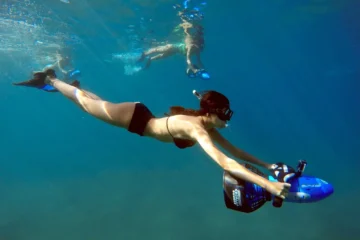
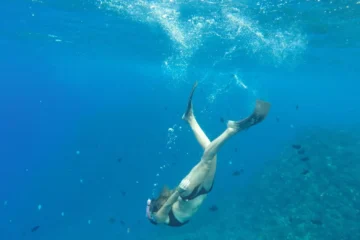
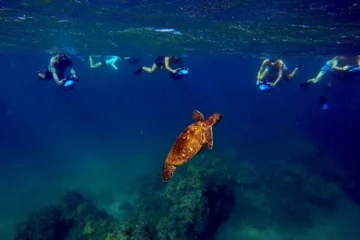
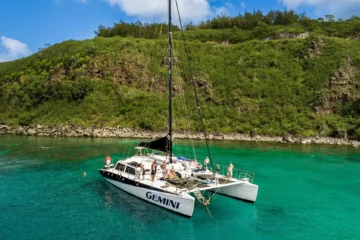
Here are our Top 4 snorkeling tours. Scroll down for our favorites on each island.
Oahu: turtles, and the easiest access in the state

Most people snorkeling on Oahu are staying in Waikiki and want something they can do without a car. That is a fair goal and there is plenty of it.

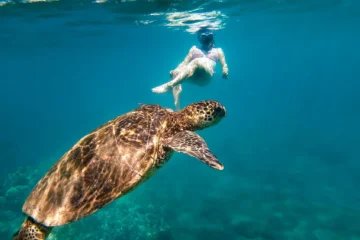
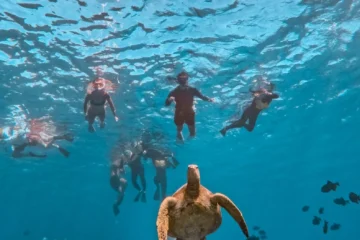
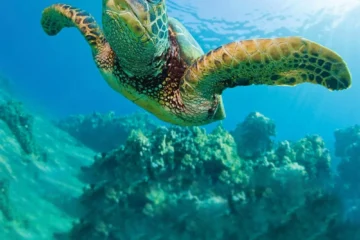
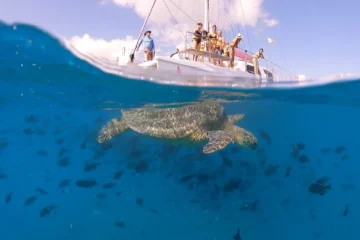
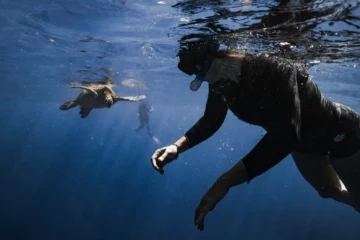
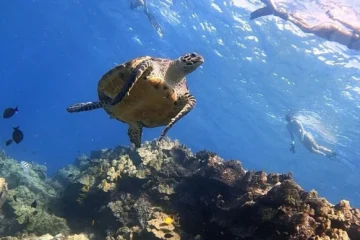
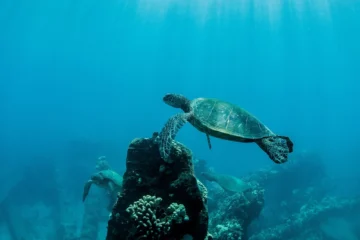
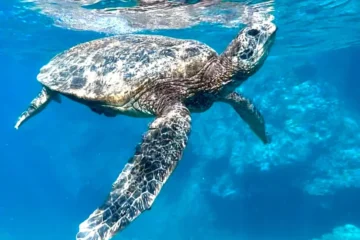
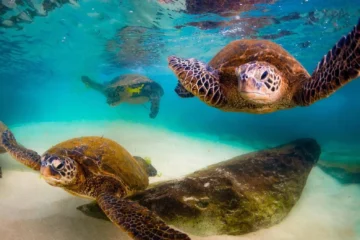
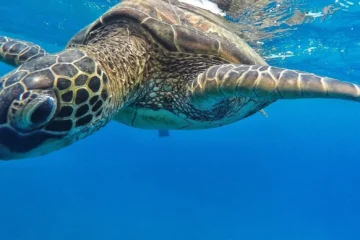
Turtle Canyon is the one that comes up most. It sits a few minutes offshore from Waikiki Beach and it is boat access only, which is exactly why the turtles are still there. Water is usually 20 to 40 feet, visibility is decent most of the year, and green sea turtles show up on the vast majority of trips. It is not the most spectacular reef in Hawaii. It is the most convenient good one, and for a first snorkel with kids it is hard to beat.

Hanauma Bay is the famous one, and it has become complicated. Reservations are required, they release online two days ahead, and they go fast. It is closed some days for conservation. When you get in, the bay is beautiful and shallow and full of fish. When you do not get a reservation, a boat trip out of Kewalo is the fallback, and honestly the boat trips see better water.

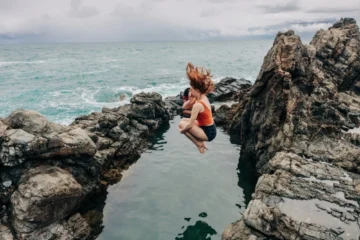
Sharks Cove on the North Shore is the local favourite in summer. Flat, protected, tide pools full of fish, no boat needed. Go in July. Do not go in January.

Big Island: the best water, and the manta rays

If you want the single best snorkeling in the state, it is on the Kona coast.

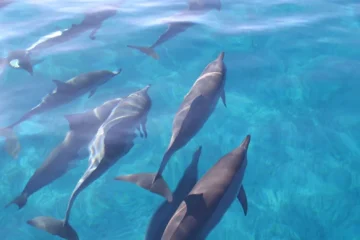
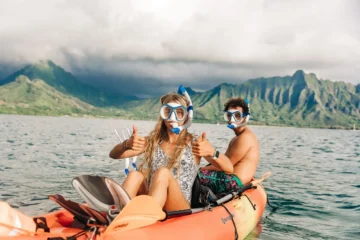
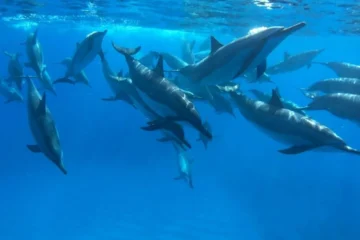
Kealakekua Bay is a marine preserve with the kind of visibility that makes people who have snorkelled the Caribbean go quiet. Coral in good shape, walls dropping away, spinner dolphins passing through regularly. Access is the catch. The land route down is steep and closed much of the time, so almost everyone gets there by boat or kayak from Keauhou or Napoopoo.

Then there is the manta ray night snorkel, which is a different thing entirely. You go out after dark off Keauhou or Kona, hold onto a lighted board, and manta rays with wingspans over ten feet come up and barrel roll underneath you feeding on plankton. It is genuinely one of the strangest and best hours available anywhere in Hawaii. It runs year round and the sighting rate is high enough that most operators offer a return trip if the mantas do not show.

The Kona coast is also the calmest water in the islands most of the year, sheltered from the trade winds by the mass of Mauna Loa. That is why so many boats operate here.

Maui: Molokini, and an early alarm

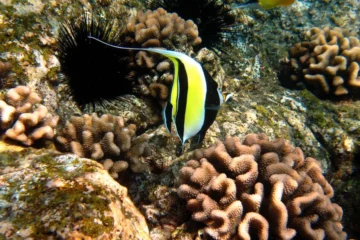
Molokini is the crescent shaped crater sitting three miles off the south coast, and it is the reason most people snorkel on Maui. Visibility inside the crater regularly runs over 100 feet. There are fish there that you will not see anywhere else in the state.

The thing nobody tells you is that the time slot matters more than the operator. Boats start leaving around 6am. The first trips get flat water and empty crater. By 10am the wind is up, the chop has started, and there are a dozen boats inside a space that felt private two hours earlier. If you are going to do Molokini, take the early departure and accept the alarm.

Turtle Town near Maluaka is the usual second stop and it earns the name.

Kauai: seasonal, and worth the timing

Kauai has the most dramatic coast in Hawaii and the most restricted snorkeling season.

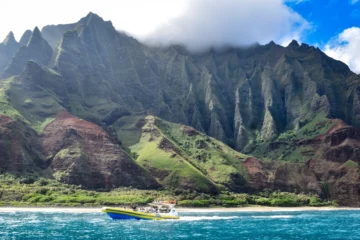
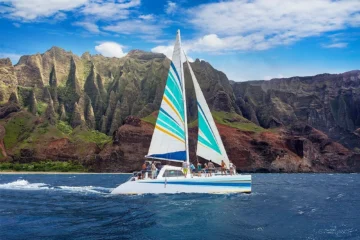
The Na Pali Coast is boat access only and effectively summer only. From roughly May through September the water on the north side calms enough for the catamarans and rafts out of Port Allen to run the full coast, stopping to snorkel along the way. In winter that same water is unrunnable, and the boats either cancel or turn south.

Poipu on the south shore is the winter option and it is a good one. Tunnels Beach on the north side is superb in summer and a genuine hazard in winter.

The short version for Kauai: come in summer if snorkeling is the priority.

What to bring, and one rule to follow

Reef safe sunscreen is law in Hawaii, and the enforcement side matters less than the reason for it. Buy mineral based, zinc or titanium, before you get on the boat.

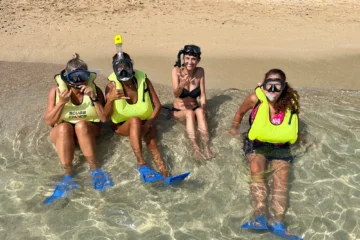
Most operators include mask, snorkel and fins. If you wear glasses, a prescription mask is worth owning, and no boat will have one.

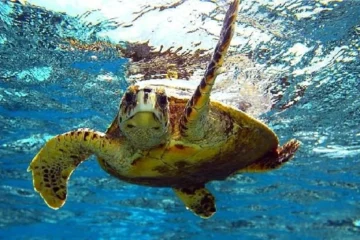
The rule: stay ten feet from turtles and well back from monk seals. Honu are protected under both state and federal law, and the fine is real. They will often swim toward you anyway, which is fine. Just do not chase.

Picking one

If you have one island and want the best water, go Kona. If you want turtles without planning, go Oahu. If you want the single most impressive site, take the early boat to Molokini. If you are on Kauai between May and September, put Na Pali above everything else on your list.